
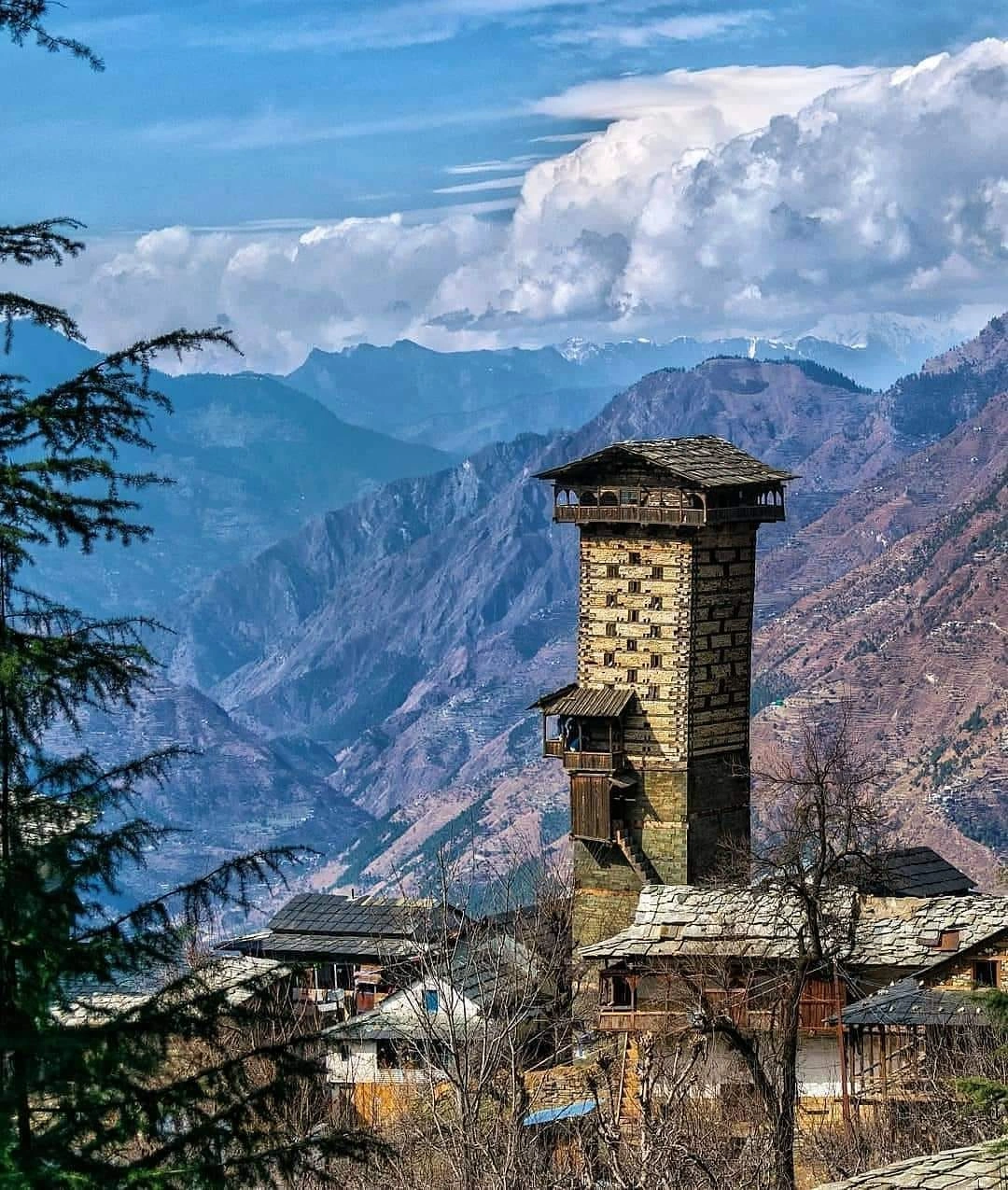
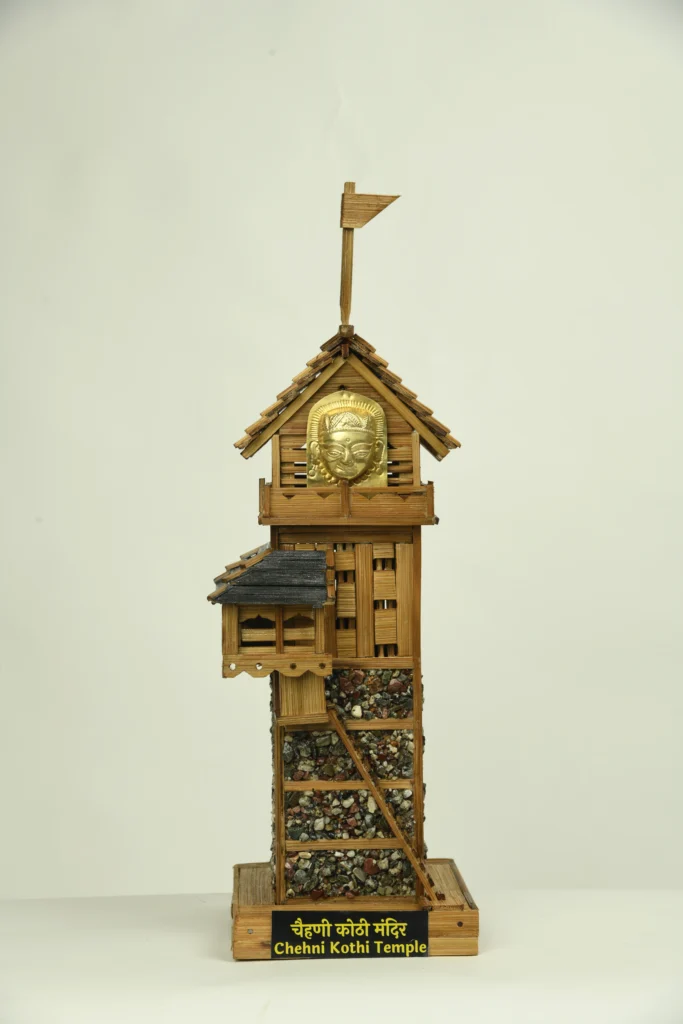
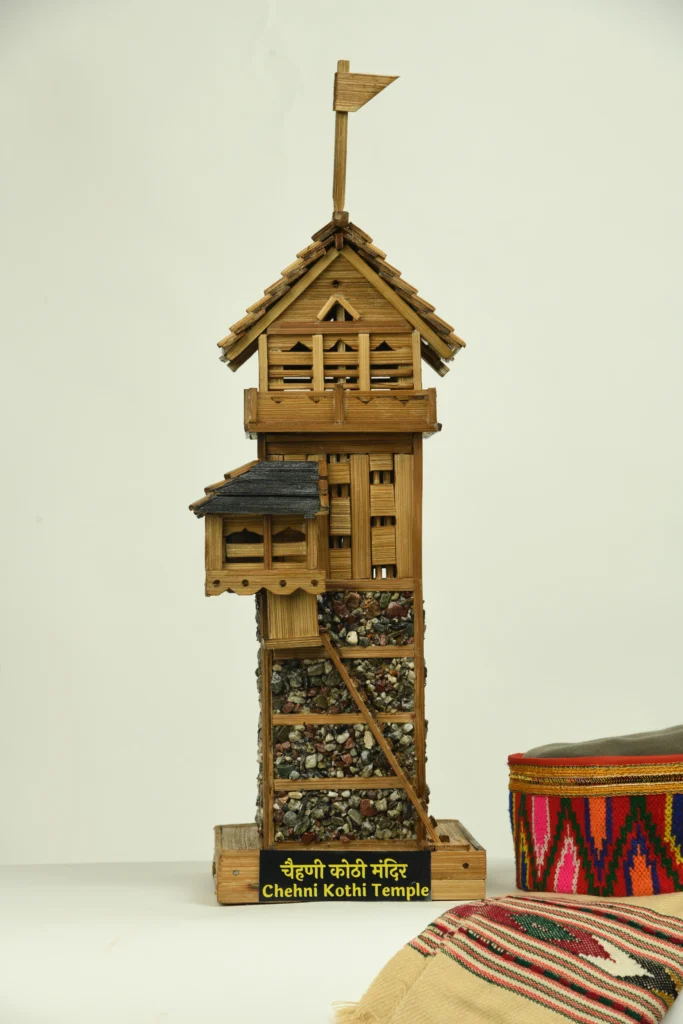
Perched in the breathtaking Banjar Valley of Kullu, Chehni Kothi is an architectural marvel that stands as a symbol of Himachal Pradesh’s rich cultural heritage. This ancient tower, built in traditional Himalayan Kath-Kuni style, has withstood the test of time and continues to be a revered landmark.
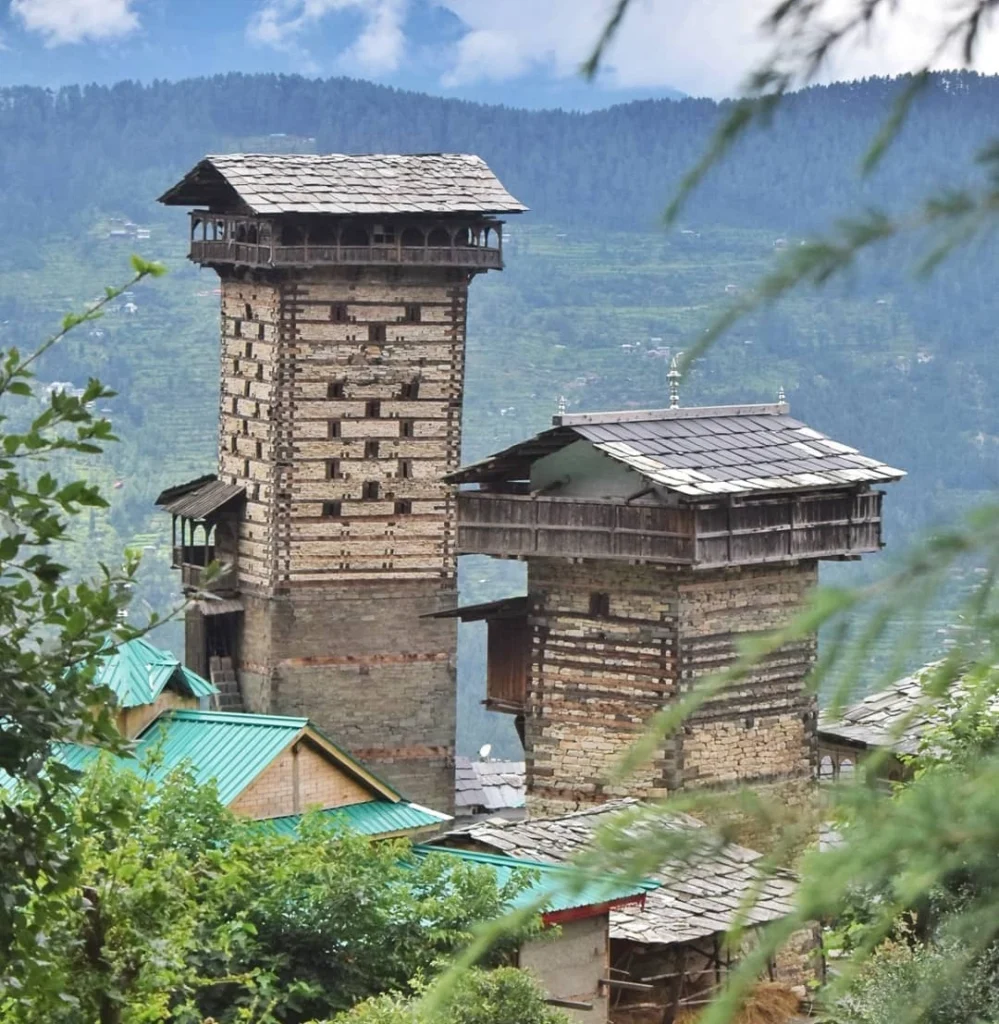
History and Significance
Chehni Kothi, named after the nearby village of Chehni, is believed to have been constructed in the 17th century during the reign of Raja Dhadhu. Initially serving as a fortified residence for the rulers of the region, it also functioned as a defensive structure against invasions. Today, it remains a sacred site associated with the revered Shringa Rishi Temple, drawing both devotees and history enthusiasts.
Unknown Facts
Tallest Kath-Kuni Structure: The 350-year-old, 12-storey-high structure, built in the “Kath Kuni” method, stands approximately 30-35 meters tall, making it one of the tallest surviving Kath-Kuni structures in Himachal Pradesh.
Earthquake-Resistant Design: The interlocking wood-and-stone architecture provides flexibility, making it resistant to seismic activity.
No Modern Construction Methods: The structure was built without the use of cement or iron, relying solely on indigenous building techniques.
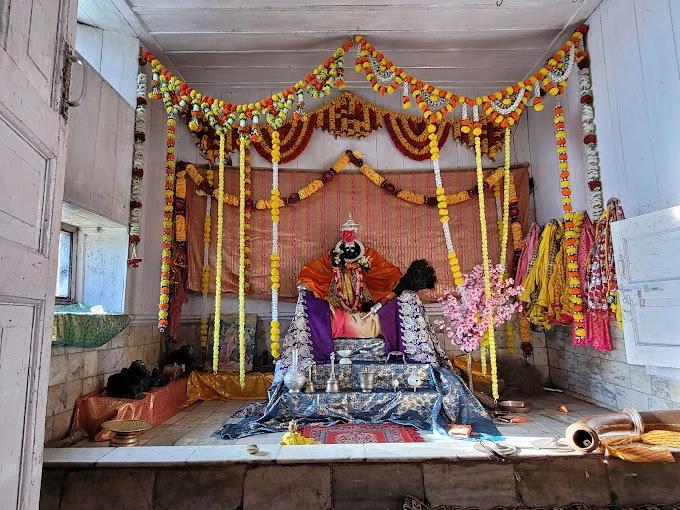
A Spiritual Landmark: It is closely associated with Shringa Rishi, the chief deity of Banjar Valley, adding to its spiritual significance.
Scenic Trek: The site is accessible via a moderate trek from Shringa Rishi Temple, offering stunning views of the surrounding valley.
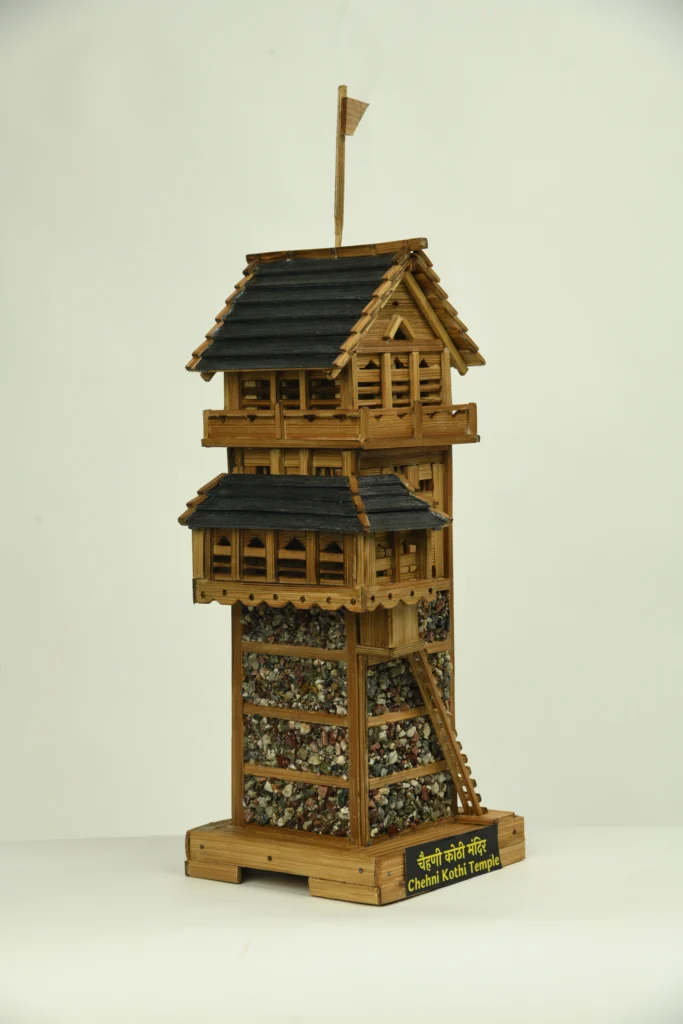
Own a Piece of Himachal’s Spiritual Essence


Leave a comment